
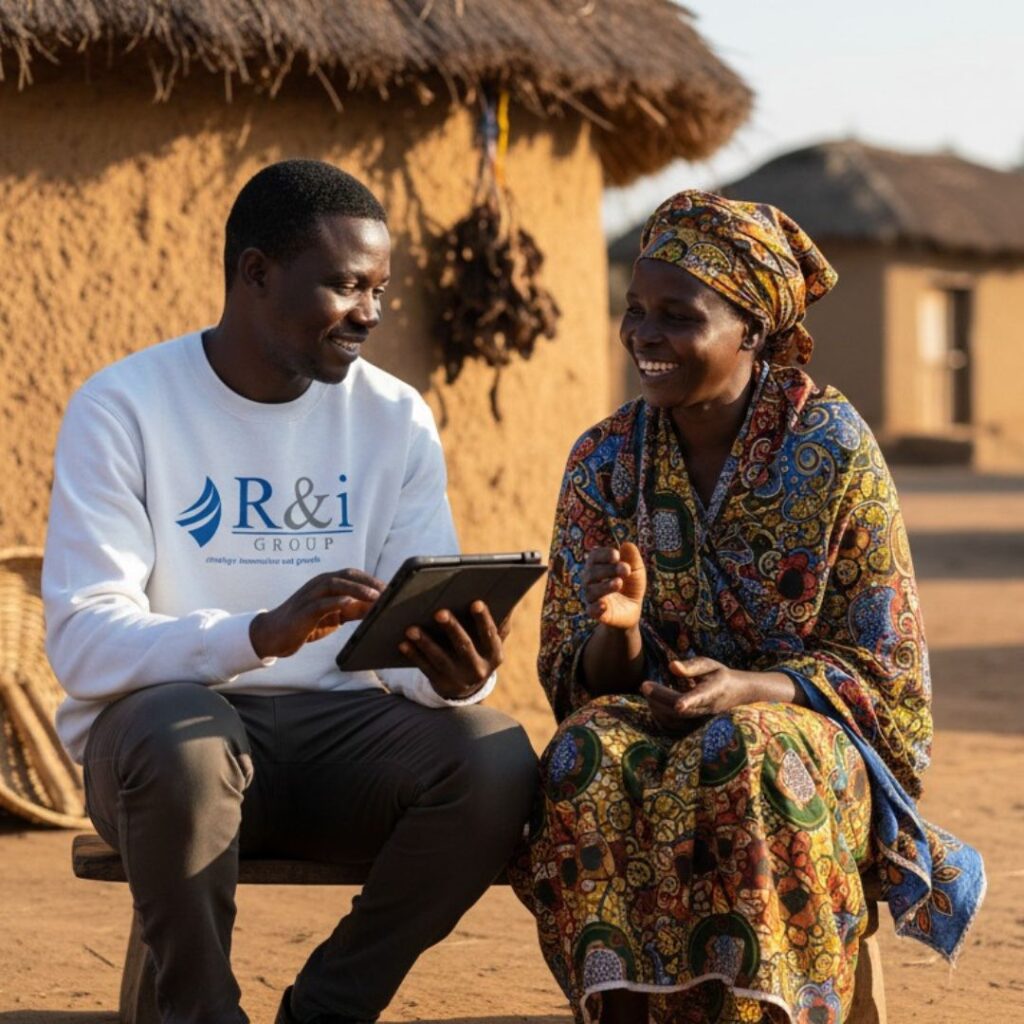
Regional data collection
Central coordination across markets with local adaptation, supervision and quality controls.

Tailored data-collection services built around the information you actually need, combining research expertise, field capability and digital methods across African markets.
We collect the exact data required for the research decision, using a method mix shaped by the audience, geography, access conditions and the question behind the brief.
Our data-collection work is built on Research & Insights Group's experience conducting research operations across Africa, supported by a strong network and dedicated research personnel.
Six core approaches give clients flexibility to match the collection method to the audience, geography and research question.
A practical approach for interviewer-administered quantitative surveys where respondents can be reached remotely across wide geographies.
 CATI
CATI
Select the markets and research components in your brief. R&I calculates each country separately, consolidates the study, then reveals a controlled indicative investment range after work-email verification.
Indicative research delivery only. Final pricing is confirmed after review of the exact questionnaire/discussion guide, quotas, geography, respondent definition, incentives, translation, travel, taxes, facility needs and deliverables. Where the brief does not materially change, R&I aims to keep the formal quotation within or close to this displayed range.
R&I’s fieldwork portfolio shows a broader operating model than the six headline methods alone: multi-country coordination, recruitment, translation, intercepts, testing, validation and specialist field logistics.
Central coordination across markets with local adaptation, supervision and quality controls.
Face-to-face, telephone and web-based structured interviews using centrally managed workflows.
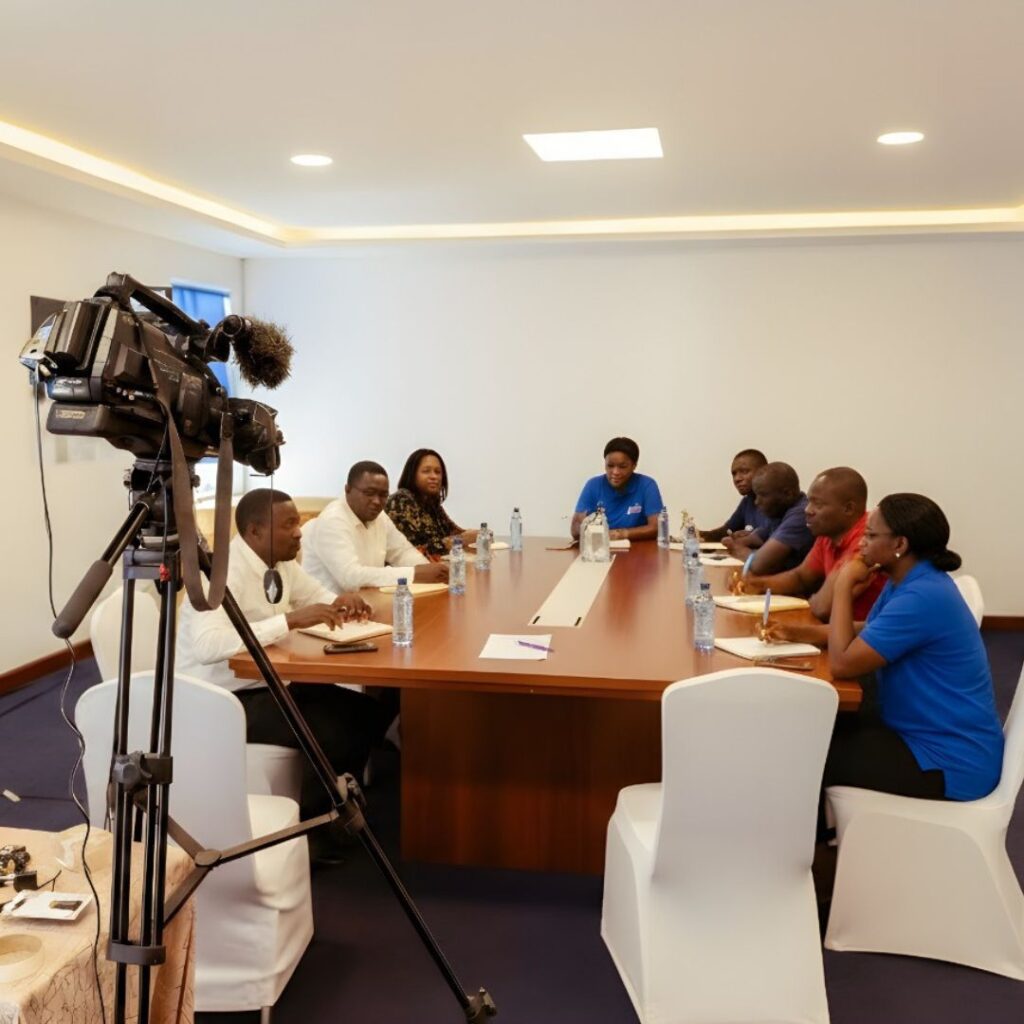
Central-location testing, pack evaluation, sensory work and controlled concept or purchase-intent tasks.
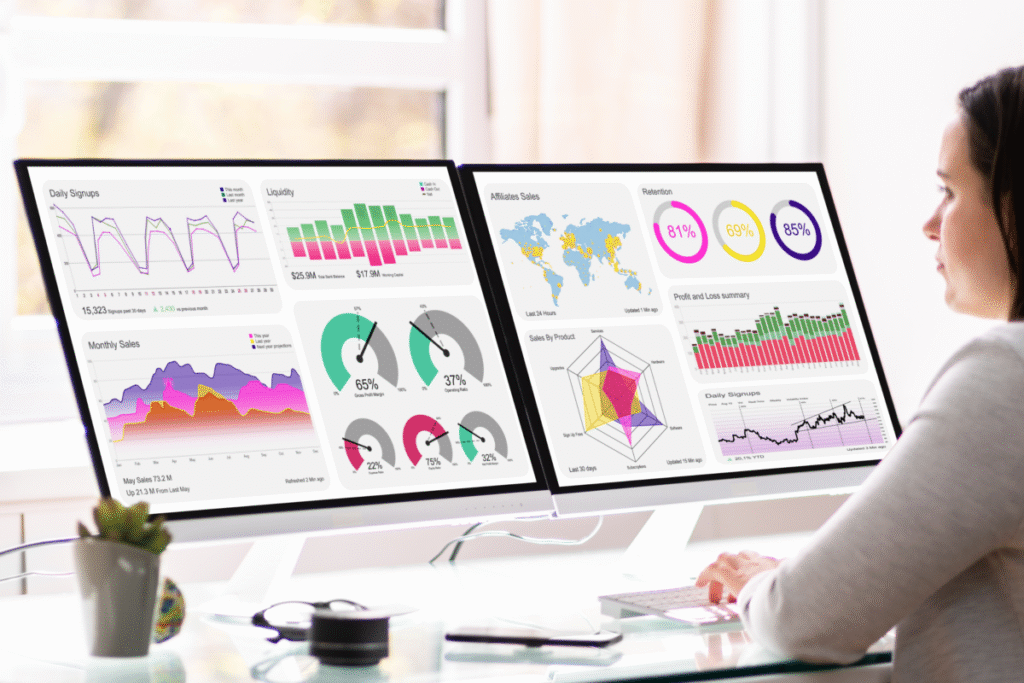
Interviews at households, stores, fuel stations, transport hubs and other relevant high-traffic locations.

Recruitment, moderation, facilitation, transcription and qualitative field support.
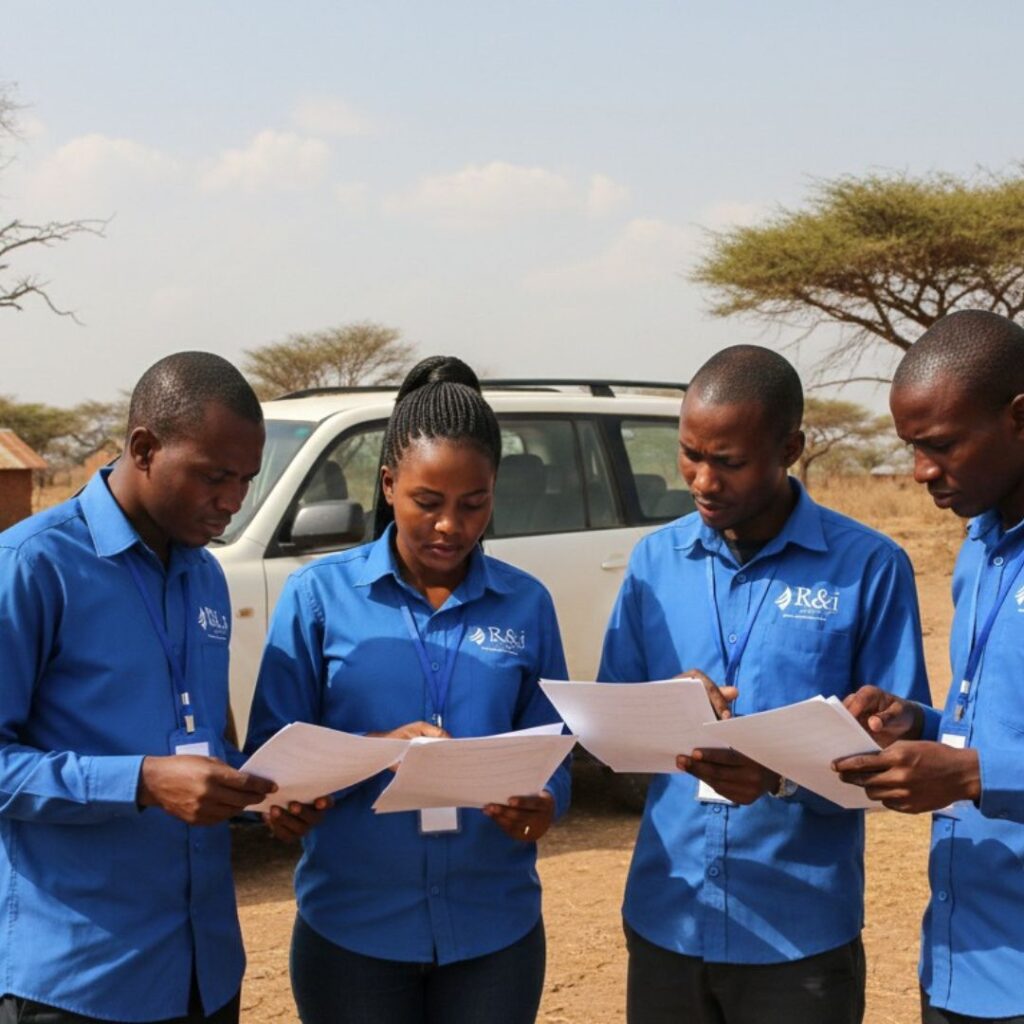
Respondent screening, interviewer deployment, local-language support, supervision and field logistics.
A strong fieldwork process moves from the research need to usable evidence, not simply from questionnaire to completed interviews.
Clarify the information requirement, audience, market and practical field conditions before selecting the collection approach.
Prepare instruments, recruitment or respondent access, interviewer workflows and the operational structure required for the study.
Run fieldwork through the selected quantitative, qualitative or observational methods, with coordination appropriate to the assignment.
Review field outputs and prepare the collected evidence for analysis, reporting or downstream client use.
R&I combines traditional research methods with digital solutions so technology improves delivery without losing the market context behind the data.
CATI and CAWI support remote access where the audience and research question allow it.
CAPI supports interviewer-administered research where physical market or respondent access is important.
FGDs and IDIs allow richer exploration of motivations, experiences, perceptions and context.
Ethnographic approaches help reveal what people do in real settings, not only what they say.
Our case studies show quotas, RDD, callbacks, interviewer supervision, field verification, visual-task checks and clean dataset delivery as part of how we work.
Define the target population, balance required segments and monitor sample integrity during fieldwork.
Use trained teams, active supervision and daily field monitoring to keep execution consistent.
Use callbacks, respondent verification, logic checks, GPS or task validation where the methodology requires it.
Resolve field issues, validate datasets and deliver analysis-ready files with appropriate documentation.
Selected assignments show how methodology, sample, geography and R&I’s field role come together in practice.
A nationwide quantitative study on internet usage, device access, digital habits, connectivity barriers and online-service adoption.
On-ground research among boda boda riders, delivery riders, private owners and motorcycle taxi operators in major urban centres.

A central-location product test assessing pack appeal, message comprehension and shopper decision-making.
Share the market, audience, method preference and research objective. The team can then help shape an appropriate data-collection approach.